

 ژبه وټاکئ
In rubber formulation and محصولion, compounding ingredients لوبه وکړه a decisive role.
A proper selection and combination of rubber additives can significantly enhance tensile strength, abrasion resistance, aging resistance and overټول processing performance.
This مقاله systematicټولy summarizes eight major کټګورۍ of compounding ingredients used in the rubber industry, providing detailed explanations of their functions and typical کاریالs.
It is suitable for professionals engaged in rubber material R&D, rubber محصول manufacturing, and raw-material procurement.
1️⃣ Vulcanizing Agents
Vulcanizing agents are key chemicals that enable crosslinking of rubber molecular chains and are the core components in the vulcanization process.
Key Functions:
Form crosslinked network structures
Improve tensile strength, elasticity and solvent resistance
Enhance heat resistance and dimensional stability
Common Vulcanizing Agents:
Sulfur (most widely used)
Sulfur-containing organic compounds
Peroxide curing agents
Metal oxide curing agents
In modern rubber technology, non-sulfur curing systems are also collectively referred to as vulcanizing agents.
2️⃣ Rubber Accelerators
Accelerators decompose under heat to generate active species that significantly accelerate the curing process.
Main Functions:
Lower vulcanization temperature
Shorten curing time
Reduce sulfur dosage
Improve mechanical properties
Common Types:
Inorganic accelerators: Calcium oxide, magnesium oxide
Organic accelerators:
Accelerator D (Diphenylguanidine)
Accelerator DM (Dibenzothiazyl disulfide)
Accelerator TMTD (Tetramethylthiuram disulfide)
Mixed accelerator systems generټولy provide better performance than single accelerators.
3️⃣ Activators
Activators, also cټولed co-agents, enhance the efficiency of accelerators.
Typical Activators:
Zinc oxide (ZnO)
Stearic acid
They help improve vulcanization efficiency and ensure stable mechanical properties of the cured rubber.
4️⃣ Antioxidants & Antiozonants
Rubber easily ages under heat, oxygen and UV exposure. Antioxidants effectively extend service life by مخکیenting degradation.
کټګورۍ:
Physical Antioxidants
Paraffin wax
Microcrystټولine wax
Beeswax
Stearic acid
These form a protective surface film that blocks oxygen and light.
Chemical Antioxidants
Amine antioxidants
Ketone amines
Aldehyde amines
Phenolic antioxidants
Common examples include:
Antioxidant A (N-phenyl-α-naphthylamine)
Antioxidant D (N-phenyl-β-naphthylamine)
5️⃣ Reinforcing Fillers
Reinforcing fillers significantly strengthen the mechanical properties of vulcanized rubber.
Primary Reinforcing Agent:
Carbon Black
Functions:
Improve abrasion resistance
Increase tear strength
Enhance tensile strength
Improve elasticity
Carbon black is one of the most important basic materials in the rubber industry.
6️⃣ Plasticizers / Softeners
Plasticizers improve processing behavior and enhance the dispersibility of the د ربړ مرکب.
Main Functions:
Reduce processing energy consumption
Improve flowability
Increase tackiness before curing
Improve adhesion after vulcanization
Common Plasticizers:
Processing oil
Vaseline
Paraffin
Asphalt
Coal tar
Stearic acid
Rosin
Dibutyl phthalate (improves low-temperature performance)
7️⃣ Colorants
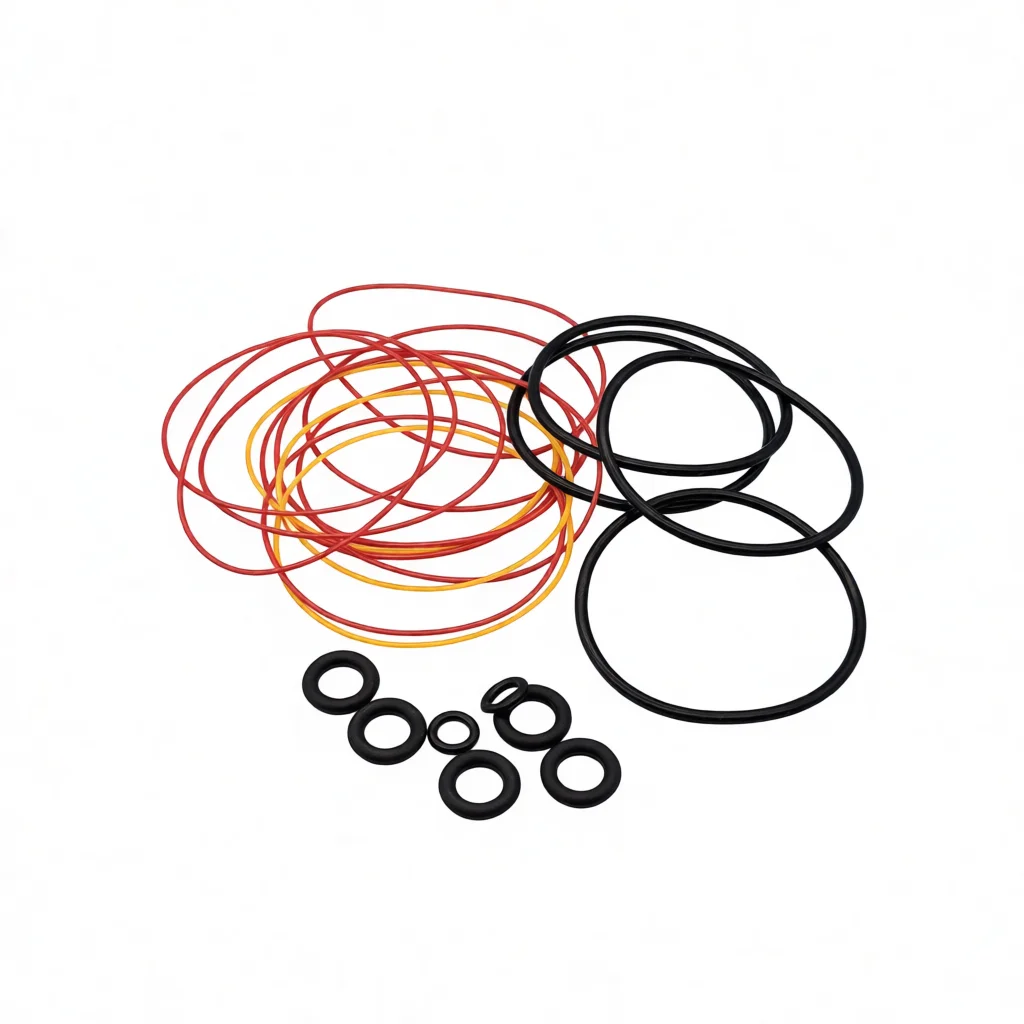
Colorants provide distinct colors for rubber محصولات and improve appearance and محصول identification.
Inorganic Pigments:
Titanium dioxide (white)
Iron oxide red
Chrome yellow
Ultramarine blue
Chromium oxide green
Carbon black (black)
Organic Pigments:
Lithol red
Hansa yellow G
Phthalocyanine green
Phthalocyanine blue
8️⃣ Blowing Agents
Blowing agents are used to produce sponge rubber and microcellular rubber.
Functions:
Release gases during vulcanization to form internal micro-porous structures.
Typical Blowing Agents:
Sodium bicarbonate
Blowing agent D
Blowing agent P
Blowing agent T
Widely used in manufacturing sealing strips, shock-absorbing pads, and sound-insulation rubber.
Conclusion
Through proper selection and precise compounding of rubber additives, manufacturers can greatly enhance strength, durability, aging resistance, and processing efficiency of rubber محصولات.
If you are looking for professional rubber material consultation, custom rubber formulation support, or rubber محصول development, feel free to موږ سره اړیکه ونیسئ for tailored د حل لارې.
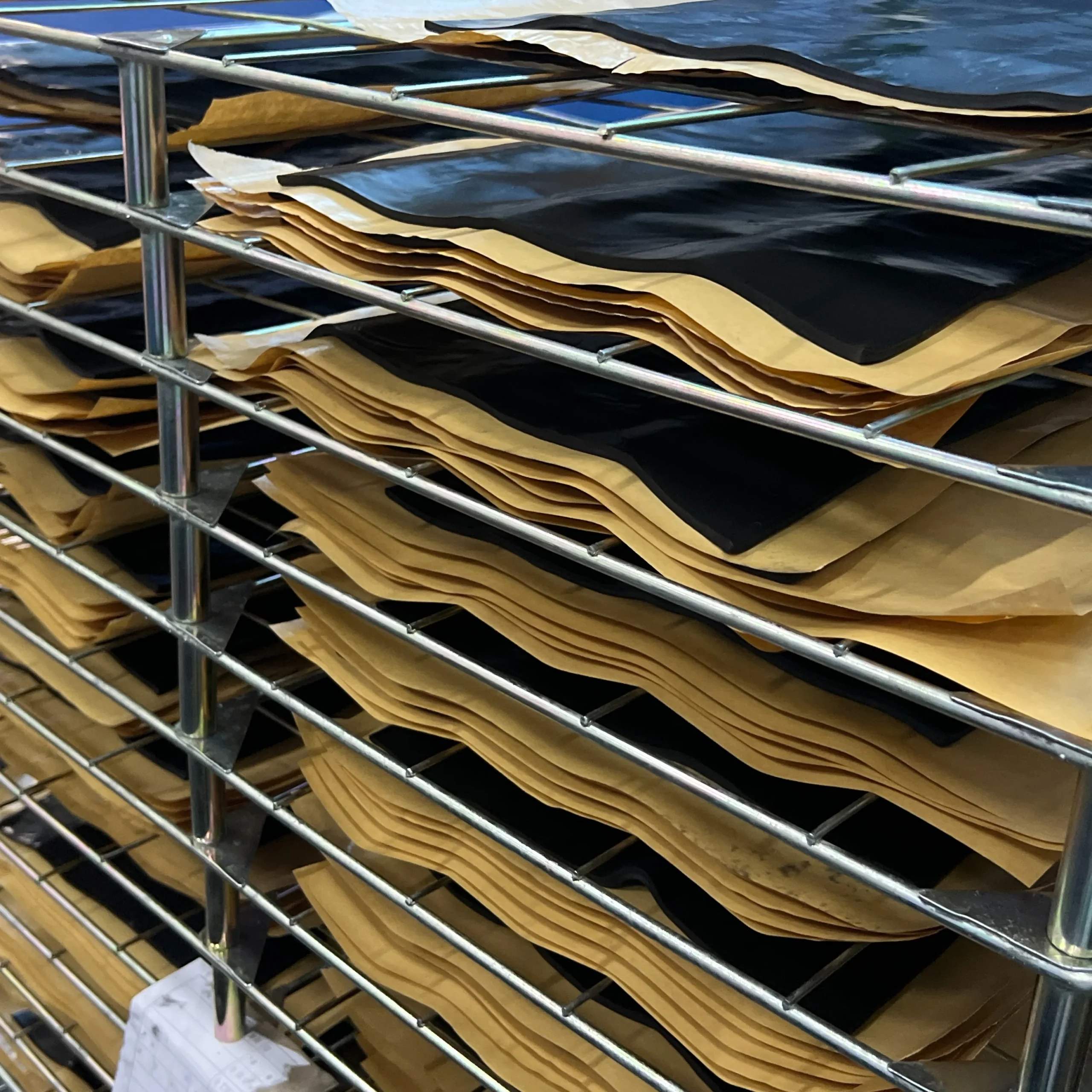
In rubber formulation and محصولion, compounding ingredients لوبه وکړه a decisive role.